Dynamics
How can stability and convergence be characterized for stochastic, high-dimensional training and inference processes?
IEEE Conference on Decision and Control · Full-day workshop
Theory, Algorithms, and Systems
Workshop abstract
Recent advances in generative AI have led to remarkable empirical success, but their theoretical understanding remains limited, particularly with respect to efficiency, reliability, and controllability. Addressing these challenges calls for principled frameworks that can provide guarantees and systematic design methodologies. Control theory and optimization offer a natural foundation in this regard, with tools to analyze dynamical behavior, enforce constraints, and design stable and efficient algorithms.
This workshop brings together researchers from control, optimization, and machine learning to explore how system-theoretic and optimization-based perspectives can advance the understanding and design of generative models, including diffusion models and large language models. We are particularly interested in approaches that enable efficient and reliable training and inference, as well as provide insights into stability and convergence properties of generative systems. We also welcome contributions that leverage generative models within control and optimization pipelines, highlighting the growing interplay between these fields.
Why this workshop
Diffusion models and large language models can be viewed as high-dimensional dynamical systems: denoising proceeds through an iterative stochastic process, autoregressive models generate through sequential state evolution, and training is governed by large-scale nonconvex optimization. This perspective brings familiar control questions—stability, robustness, feedback, constraints, and adaptation—directly into the study of generative AI.
The connection also runs in the other direction. Generative models are increasingly used for trajectory generation, planning, reinforcement learning, system identification, and data-driven control. These applications require more than expressive models; they require methods that behave predictably under uncertainty and respect the structure of the underlying system.
How can stability and convergence be characterized for stochastic, high-dimensional training and inference processes?
How can constraints, safety requirements, and robustness be incorporated into generation and decision-making?
Which ideas from control and optimization can make generative systems more efficient, interpretable, and deployable?
Organizing committee
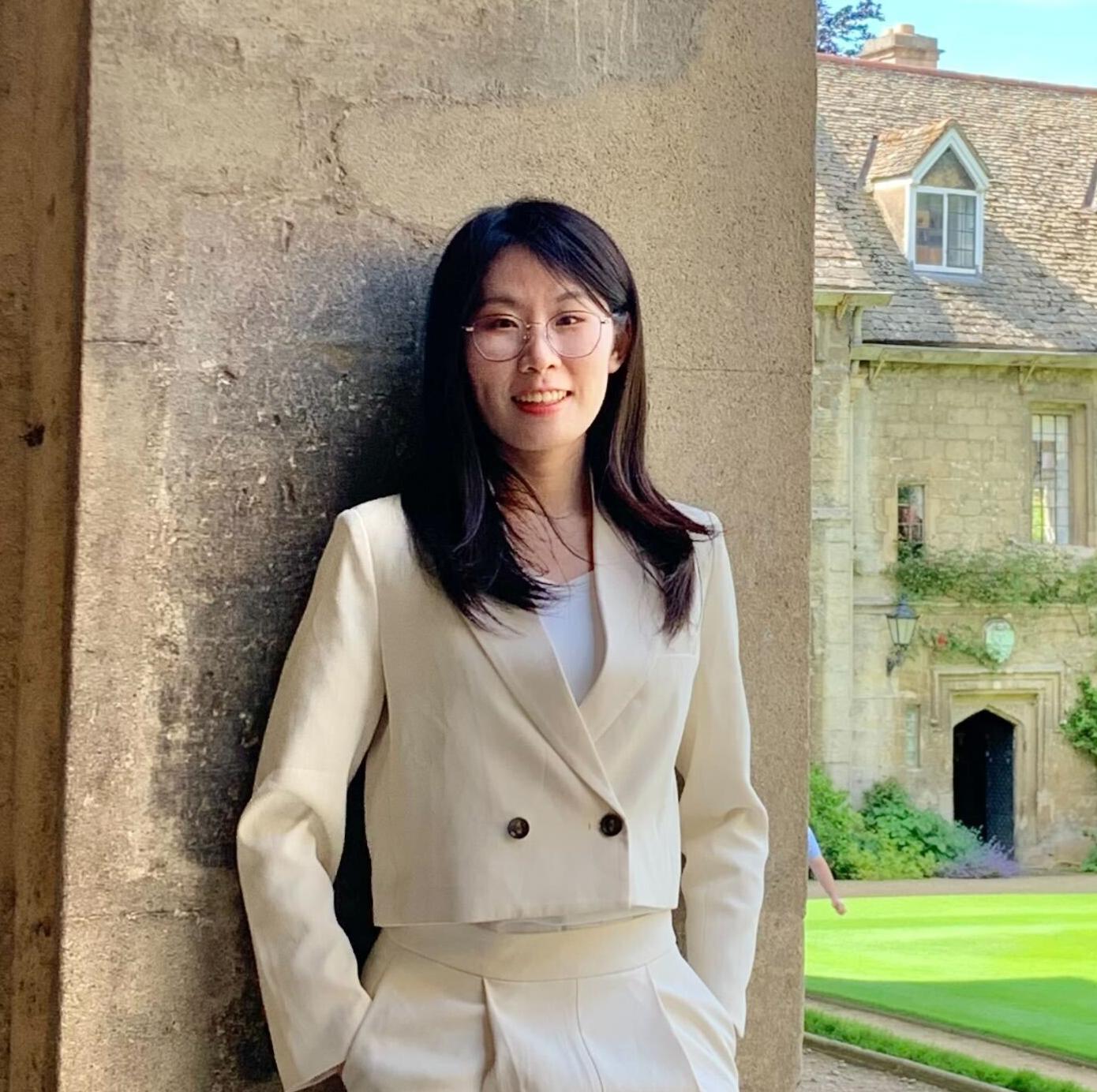
Primary point of contact · MIT
Runyu (Cathy) Zhang is a Postdoc Fellow for Engineering Excellence in the Laboratory for Information and Decision Systems and the Department of Civil and Environmental Engineering at MIT. She received her Ph.D. from Harvard University and her B.S. in mathematics from Peking University. Her research interests include reinforcement learning, control, game theory, and optimization, with a particular focus on multi-agent systems.

University of Wisconsin–Madison
Jiawei Zhang is an Assistant Professor in the Department of Computer Sciences at the University of Wisconsin–Madison. His research focuses on efficient, scalable, generalizable, and robust optimization algorithms; the foundations and algorithms of large language models and diffusion models; and optimization for engineering applications.
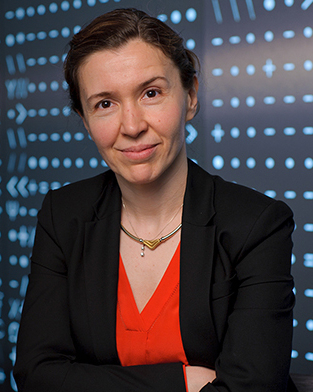
Massachusetts Institute of Technology
Asuman Ozdaglar is the MathWorks Professor of Electrical Engineering and Computer Science, Head of MIT EECS, and Deputy Dean of Academics in the MIT Schwarzman College of Computing. Her research spans optimization, machine learning, economics, game theory, and networks, with applications to large-scale data-driven and multi-agent systems.
Invited program
Biographical information and affiliations were checked against the speakers’ academic or institutional webpages, most recently on September 3, 2026. Talk titles remain subject to speaker confirmation.
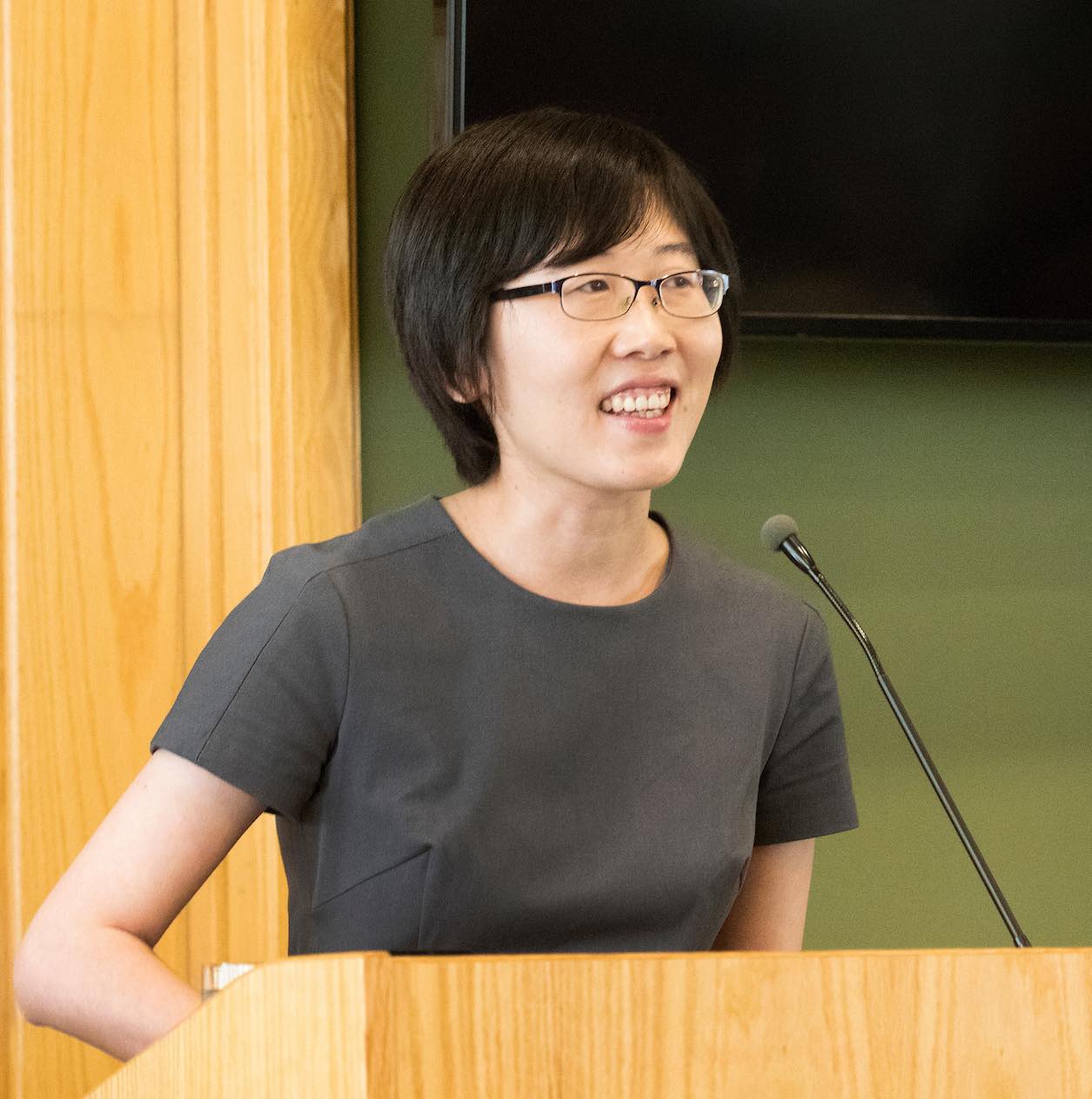
Yale University
Charles C. and Dorothea S. Dilley Professor of Statistics and Data Science at Yale University, with a secondary appointment in Computer Science. Her research studies the theoretical and algorithmic foundations of data science, generative AI, reinforcement learning, and signal processing.
Talk On the Learning Dynamics of RLVR at the Edge of Competence
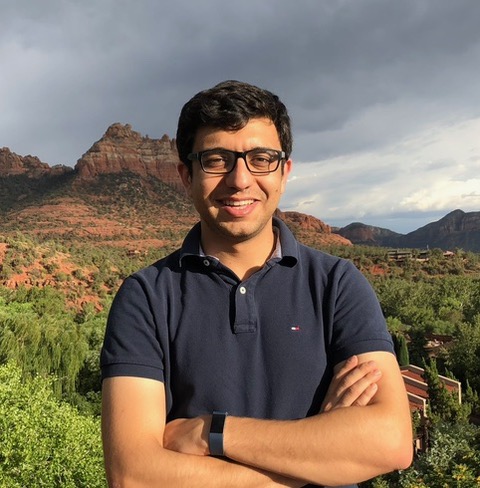
University of Southern California
Associate Professor and Andrew & Erna Viterbi Early Career Chair at USC, with appointments in Industrial and Systems Engineering, Computer Science, Quantitative and Computational Biology, and Electrical and Computer Engineering. His research focuses on scalable and trustworthy optimization algorithms for modern machine learning and data science.
Talk From Theory to Throughput: Unifying Architectures and Scaling Deep Memory via Online Optimization
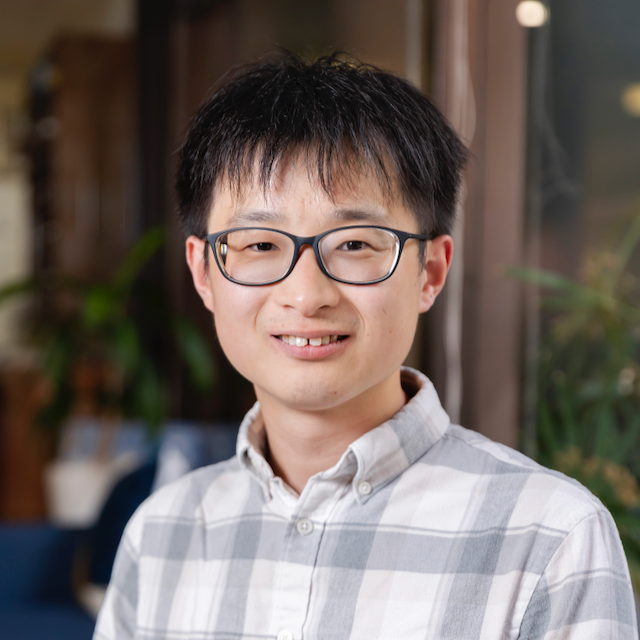
University of California, Berkeley
Assistant Professor of Statistics at UC Berkeley. His research focuses on the theory and algorithms of machine learning, particularly deep learning theory, optimization, and statistical learning.
Talk Towards a Less Conservative Theory of Machine Learning: Unstable Optimization and Implicit Regularization
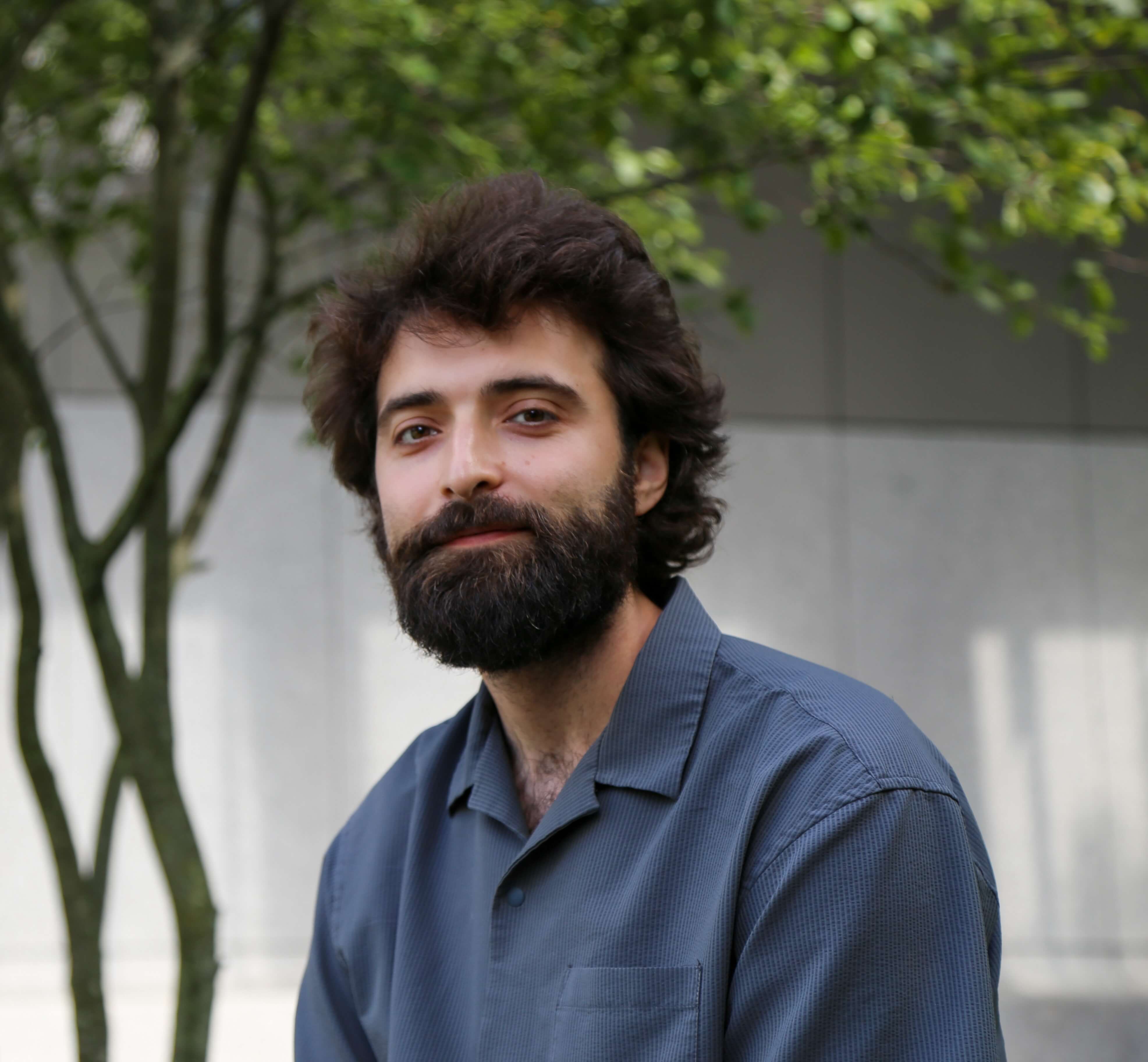
Brown University
Assistant Professor in the Electrical and Computer Engineering Group at Brown University’s School of Engineering, with affiliations in the Carney Institute for Brain Science and the Data Science Institute. He leads the Dynamic Intelligence Lab, where his research focuses on modeling and learning nonlinear dynamical systems, especially systems that learn, adapt, and act intelligently.
Talk Predictability Enables Parallelization of Nonlinear Dynamical Systems
University of Idaho
Associate Professor in the Department of Mathematics and Statistical Science at the University of Idaho. His work spans control theory, machine learning, applied mathematics, and mathematical immunology, using mathematical models and data-driven methods to study complex biological and engineered systems.
Talk Control-Theoretic Guarantees for Resource-Aware Consensus in Multi-Agent AI Systems
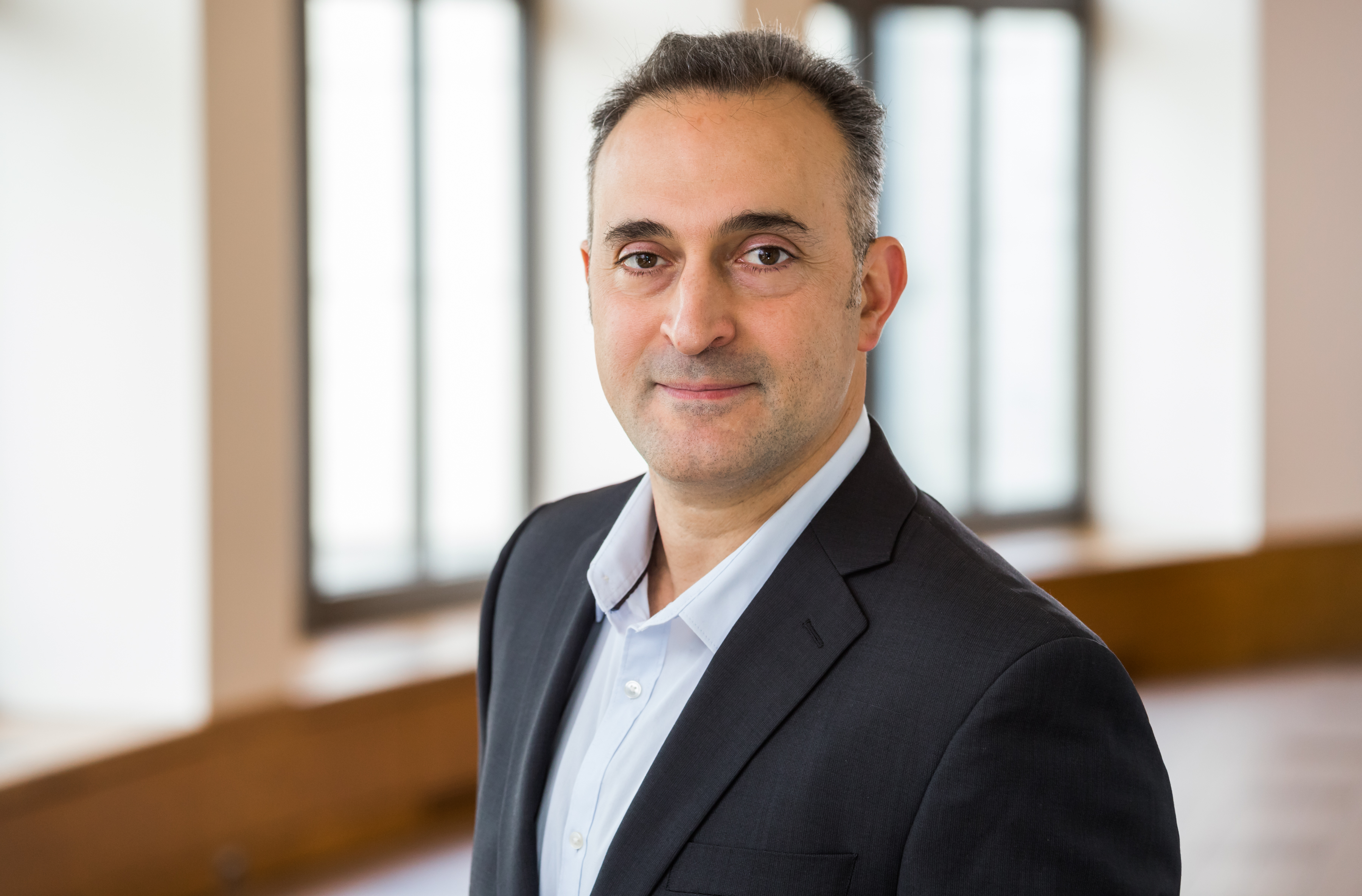
Princeton University
Professor of Computer Science at Princeton University. His research focuses on the design and analysis of algorithms for machine learning and optimization, including adaptive gradient methods, online learning, and online nonstochastic control.
Talk Provably Efficient Learning in Nonlinear Dynamical Systems via Spectral Transformers
Harvard University
Winokur Family Professor of Electrical Engineering and Applied Mathematics at Harvard University. Her research develops learning, optimization, and control methods for dynamical and cyber-physical systems, with applications spanning robotics, scalable multi-agent learning, neuroscience, and emerging directions in agentic and physical AI.
Talk Closing the Loop in Physical AI
University of Wisconsin–Madison
Assistant Professor of Computer Sciences at UW–Madison. His work develops optimization theory and algorithms for large-scale learning, including efficient and reliable training and inference for large language models and diffusion models.
Talk Optimization for Efficient Training and Inference
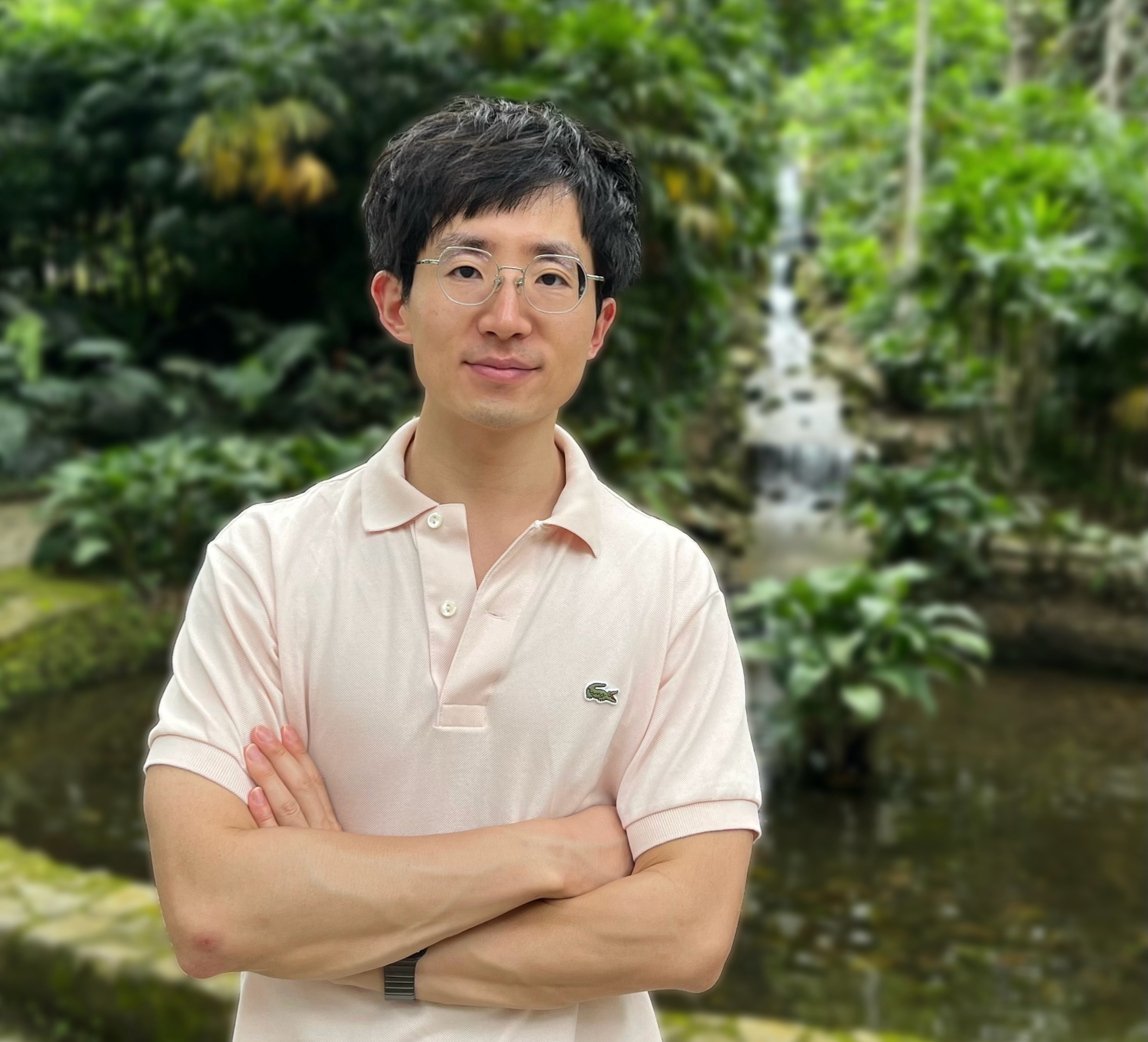
University of Maryland, College Park
Assistant Professor in Electrical and Computer Engineering and the Institute for Systems Research at the University of Maryland, with affiliations in Computer Science, UMIACS, and the Maryland Robotics Center. His research lies at the intersection of machine learning, reinforcement learning, game theory, and control, especially for multi-agent and safety-critical systems.
Talk Towards Understanding and Post-training LLMs as Decision-Making Agents: A Regret-based Approach
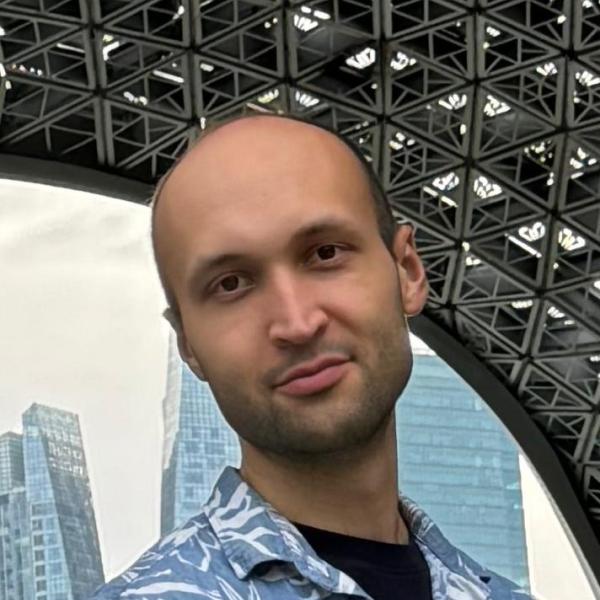
ETH Zürich
Ph.D. student in the Optimization & Decision Intelligence Group at ETH Zürich, advised by Niao He and Florian Dörfler. His interests include operator theory, optimization in probability spaces, distributionally robust control, and generative-model-based methods for optimization and data-driven control.
Talk Constrained Optimization through Denoising and Applications to Data-Driven Control
Monday, December 14
Provisional program. Talks are planned as 25-minute presentations followed by 5 minutes of discussion; times may be adjusted to match the final CDC workshop schedule.
Opening
Runyu Zhang, Jiawei Zhang, and Asuman Ozdaglar
Yuejie Chi · Yale University
Meisam Razaviyayn · University of Southern California
Jingfeng Wu · University of California, Berkeley
Leo Kozachkov · Brown University
Esteban A. Hernandez Vargas · University of Idaho
Elad Hazan · Princeton University
Na Li · Harvard University
Jiawei Zhang · University of Wisconsin–Madison
Kaiqing Zhang · University of Maryland, College Park
Andrey Kharitenko · ETH Zürich
Closing
Runyu Zhang, Jiawei Zhang, and Asuman Ozdaglar
Conference information
The 65th IEEE Conference on Decision and Control will be held in Honolulu, Hawaiʻi. Workshop participation is handled through the conference registration system.